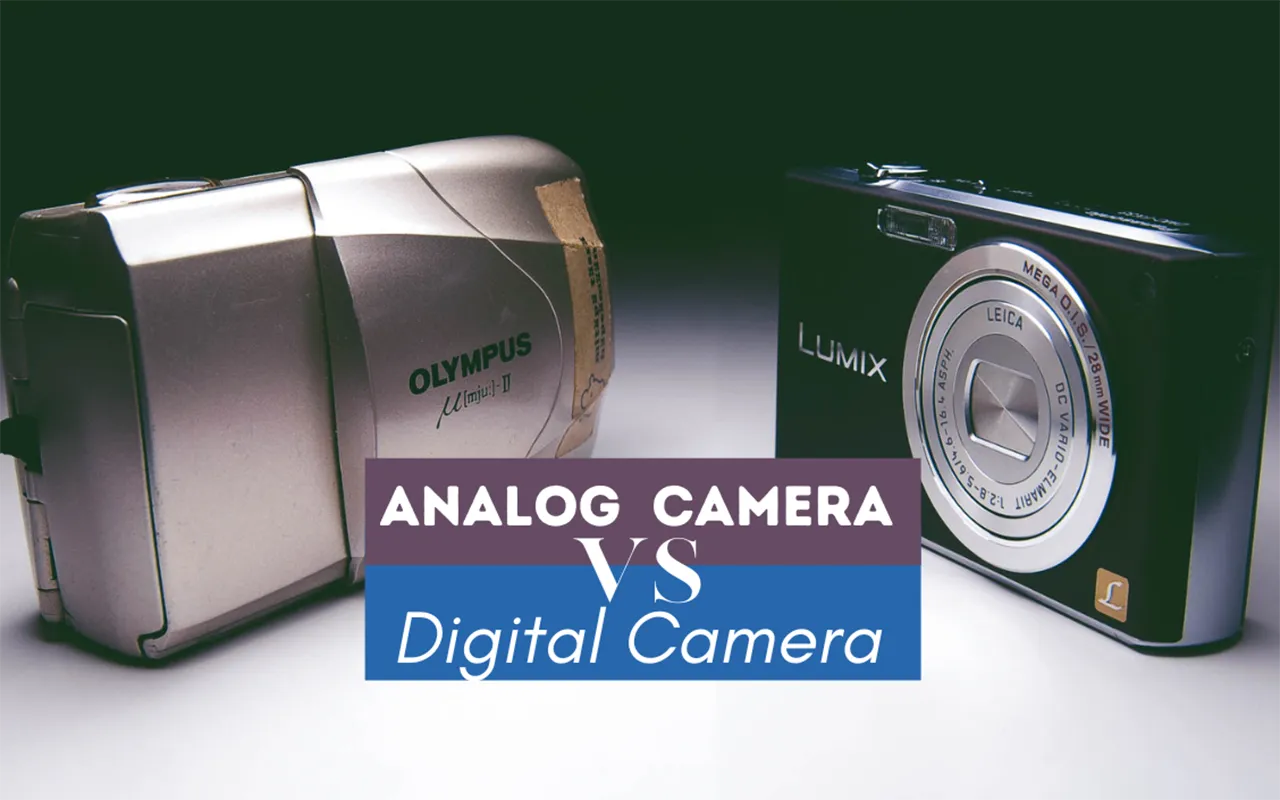
Dive into the enthralling world of photography with a close look at the “film camera vs digital” debate! Whether you’re just starting or are a well-versed enthusiast, the choice between analog and digital cameras significantly shapes your artistic path.
This article will explore the nuances, merits, and drawbacks of each camera type, providing a comprehensive understanding that aids in making an informed choice. Delve into the specifics of film and digital photography to discern which best suits your creative vision. So, let’s begin our detailed photographic journey!
Key Differences
Film Camera vs Digital Camera
| Feature/Aspect | Film Cameras | Digital Cameras |
|---|---|---|
| Image Capture Medium | Film (Chemical process) | Light-sensitive sensor (Electronic process) |
| Image Quality | Characteristic grain and color rendition | Higher resolution, clearer images |
| Longevity | Mechanical durability but may become obsolete | Technologically obsolete faster, but robust |
| Storage & Capacity | Limited by film rolls (24-36 shots commonly) | Large and expandable memory capacity |
| Speed & Performance | Slower, deliberate shooting | Fast operation and instant feedback |
| Cost | Lower initial cost but ongoing film & development expenses | Higher initial cost, minimal ongoing expenses |
| Editing Flexibility | Limited and requires physical process | Extensive digital editing capabilities |
| Learning Curve | Steeper, more manual involvement | Generally easier, more automated features |
| Maintenance & Upgrades | Less frequent but may require specialized service | Frequent updates, easier access to service |
| Aesthetic & Nostalgia | Unique aesthetic, nostalgic value | Modern, crisp images, versatile in aesthetics |
| Preferred Usage | Fine art, portrait, street photography | Sports, wildlife, commercial photography |
| Obsolescence | Film availability and parts may be challenging | Technological advancements render models old |
Film vs Digital: A Sensor Comparison
| Specification | Film | Digital Sensor |
|---|---|---|
| Sensitivity Range | ISO 25-6400 (common range) | ISO 50 - over 204800 |
| Resolution | Determined by grain size, commonly up to 30 megapixels equivalent | Typically 12MP to 100MP+ |
| Dynamic Range | Around 13 stops (varies by film type) | Up to 15 stops (varies by sensor) |
| Color Depth | Defined by film type & development process | Usually 14-16 bits per color |
| Latency | Time for development & printing | Instant review and processing |
| Reusability | Single-use | Reusable thousands of times |
| Storage Medium | Physical film (negatives) | Digital memory (SD cards, etc.) |
| Light Sensitivity Pattern | Random due to silver halide crystals | Uniform, defined by pixel arrangement |
| Tonal Range | Varies, often broader in black and white film, unique gradations | Defined by bit depth, more consistent, can be extensive with RAW |
Delving Deeper into Film Cameras
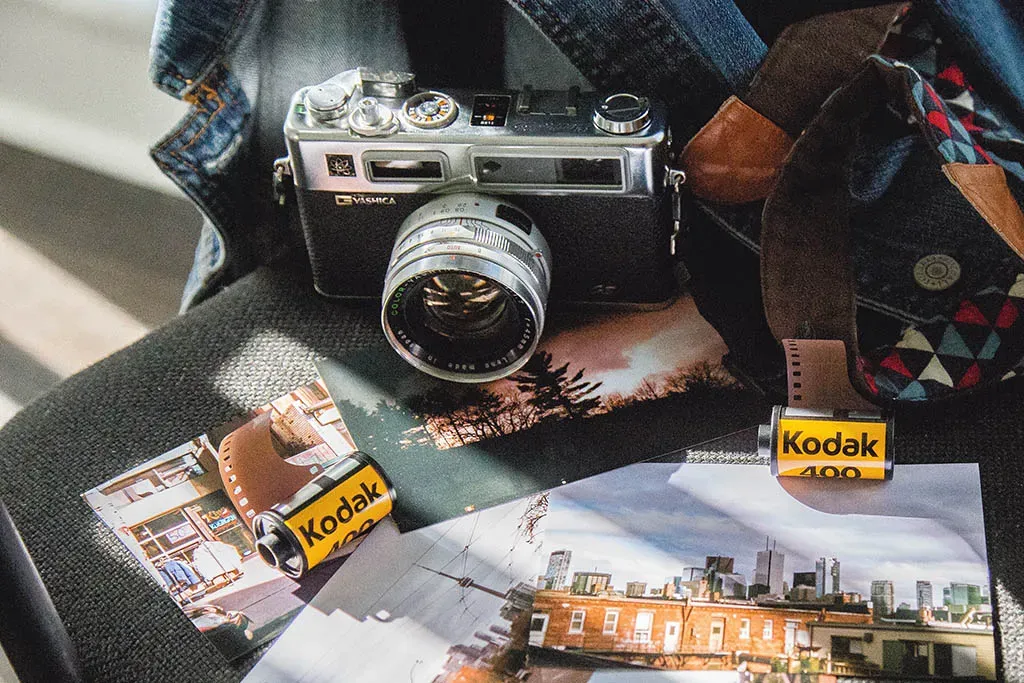
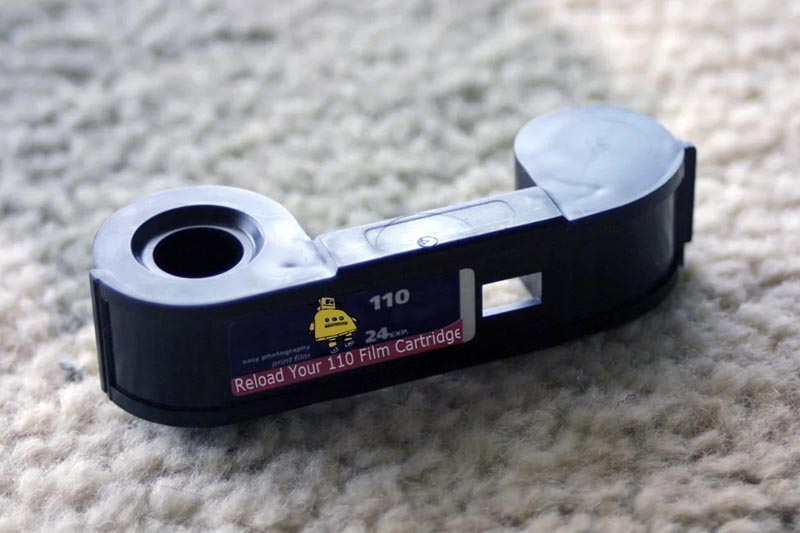
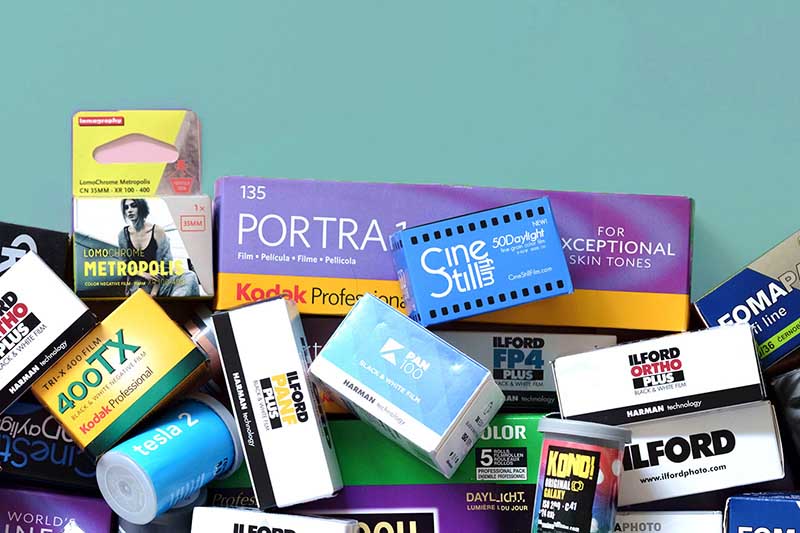
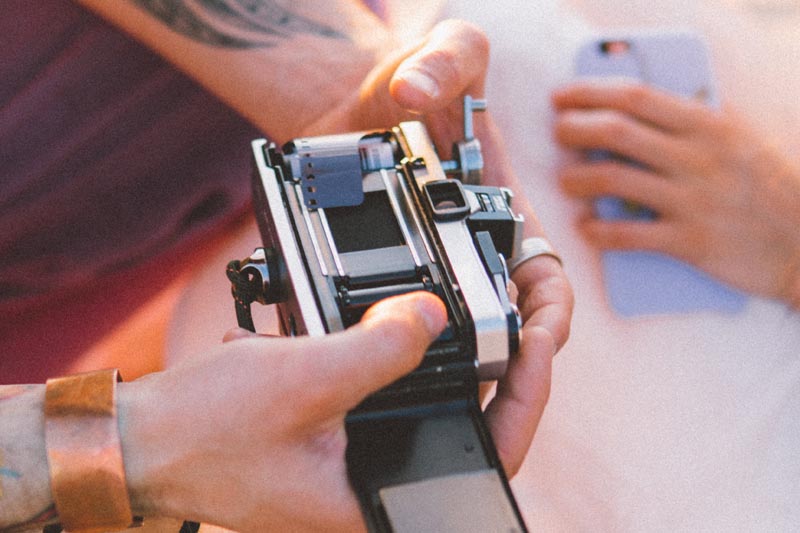
Film cameras, often referred to as analog cameras, are the classical way to capture images, utilizing film rolls to chemically record images onto a physical medium.
Film cameras fundamentally capture images through a light-sensitive material known as chemical film. When light infiltrates the camera, it impacts the film, instigating a chemical change that forms a latent image. This undeveloped image undergoes a series of chemical treatments to manifest as a visible, tangible photograph.
Analog cameras offer a rich diversity, from the iconic 35mm SLRs (Single Lens Reflex) to intricate medium formats and simple compact point-and-shoot cameras. Each type presents a distinct capturing experience and yields varying image qualities.
Recommended Article: All Film Formats Explained
Delving into Digital Cameras
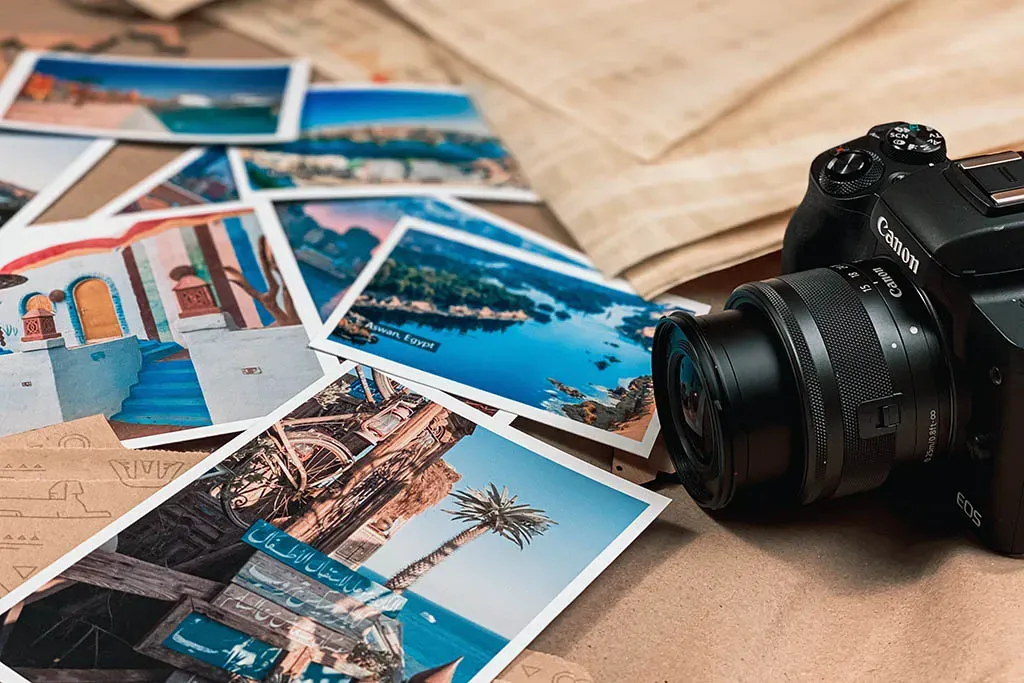
Digital cameras represent the contemporary progression in photography, capturing images through electronic means.
Instead of film, digital cameras employ a light-sensitive sensor that captures incoming light and converts it into electronic data. This data is then processed, viewable, and storable on various digital storage devices.
The digital realm is broad, encompassing simple compact point-and-shoots to advanced DSLRs (Digital Single Lens Reflex) and mirrorless cameras. Each category offers its unique features and cater to different levels of photography expertise.
Advantages and Disadvantages of Film and Digital Photography

Advantages of Film Cameras
-
Aesthetic and Nostalgic Value: The unique charm and warmth of film photographs are unparalleled, with many artists and enthusiasts drawn to its nostalgic and distinctive look.
-
Learning and Skill Development: The discipline and understanding required to effectively use a film camera can significantly enhance one’s grasp of photographic techniques and principles.
-
Durability and Longevity: The mechanical nature of many analog cameras means they are often less dependent on electronics and may enjoy a more extended, functional lifespan.
Disadvantages of Film Cameras
-
Limited Storage and Convenience: The finite nature of film rolls means only a limited number of shots are available, and changing rolls can be an inconvenient process, especially in fast-paced environments.
-
Ongoing Costs: The continuous need for new film and the development costs can quickly become a significant expense compared to digital photography, where such recurring costs are practically nonexistent.
-
Less Flexibility in Editing: While post-processing is indeed a possibility in analog photography, it is typically a more laborious and limited process compared to the vast array of digital editing options available.
Advantages of Digital Cameras
-
Immediate Results and Flexibility: The ability to instantly view photos allows for immediate feedback and adjustment, accelerating the learning process and enhancing the overall photographic experience.
-
Easy Editing and Sharing: Digital images can be quickly and extensively edited, manipulated, and shared across a multitude of platforms, expanding the creative possibilities and ease of distribution.
-
Versatility and Features: The extensive array of settings, modes, and features available in modern digital cameras provides photographers with an unparalleled level of control and creative freedom.
Disadvantages of Digital Cameras
-
Ongoing Upgrades and Obsolescence: The rapid evolution of digital technology means that digital cameras can become outdated relatively quickly, often necessitating upgrades to stay current.
-
Overwhelming Options and Complexity: For beginners especially, the vast selection of settings, options, and accessories can be overwhelming and detract from the fundamental aspects of photography.
-
Potential for Overdependence on Technology: The convenience and features of digital photography might lead some individuals to rely too heavily on technology, possibly at the expense of mastering basic photographic skills and principles.
Comparative Analysis

Film left, Digital right
Image Quality and Aesthetics
-
Color, Contrast, and Grain/Noise: Film photography is renowned for its unique grain quality and color rendition. It often produces a warm, organic look with subtle variations in color and texture that many photographers and enthusiasts find appealing. The grain in film images adds a textural element that is distinct from the often-smooth look of digital images. On the other hand, digital photography boasts an unparalleled crispness and clarity. It offers a wide range of adjustable noise levels, which can be fine-tuned to achieve a desired look, from sleek and smooth to artificially grainy. This flexibility allows photographers to adapt their images to various artistic intentions and styles, whether they seek a modern, sharp look or an imitation of classic film aesthetics.
-
Resolution and Detail: In terms of resolution and detail, digital cameras generally have the upper hand. Modern digital cameras offer incredibly high resolutions, providing the ability to capture an immense amount of detail. This is particularly beneficial in professional settings where the clarity of the image is paramount, or in instances where large-scale outputs, such as billboards or detailed prints, are desired. The high resolution also allows for extensive cropping without significant loss of detail, offering more flexibility in post-processing. Conversely, while film does have a natural resolution limit based on its grain structure and size, medium and large format films can rival or sometimes exceed the detail of standard digital cameras. However, the ability to easily and consistently produce high-resolution images, especially in varying lighting conditions, tends to favor digital technology.
Usage and Applications
-
Professional Use: Both film and digital mediums find their place in professional photography, each chosen for specific projects based on the desired aesthetic, workflow, and final output requirements.
-
Hobbyist and Personal Use: Personal preference plays a significant role for hobbyists and enthusiasts, with some preferring the immediate and versatile nature of digital photography, while others are drawn to the tactile and thoughtful process of analog photography.
Future Trends in Photography
-
Technological Advancements: The relentless pace of innovation in digital technology continues to expand the horizons of photography, introducing new capabilities and enhancing existing ones.
-
The Blending of Film and Digital Techniques: A growing trend among artists involves merging the best aspects of both analog and digital methodologies to produce unique and innovative works of art, benefiting from the strengths of each medium.
Choosing the Right Camera for Your Needs

Factors to Consider
When deciding between analog and digital cameras, consider factors such as your budget, the style you wish to achieve, and the practical aspects of your photography practice, such as the need for immediate feedback or the desire for a particular type of image quality.
Personal Preference and Goals
The ultimate decision should be guided by your personal preferences, artistic goals, and the specific requirements of your photography. Whether it’s the tangible feel of film and the deliberative process of analog photography or the convenience and technological prowess of digital photography, your choice should align with your vision and aspirations.
Stories and Testimonials
-
Experiences from Professional Photographers: Gain insights from professionals who have extensive experience with both analog and digital cameras, understanding the specific situations and reasons they prefer one over the other.
-
Hobbyists and Enthusiasts Speak: Drawing from a wide range of experiences, learn how different photographers, from casual hobbyists to dedicated enthusiasts, have navigated the analog and digital realms, and what lessons and joys they’ve discovered along the way.
Conclusion
The decision between film and digital cameras is a deeply individual one, influenced by a multitude of factors including artistic style, budgetary considerations, and specific photographic goals. While digital cameras offer a level of convenience and versatility that is hard to match, analog cameras provide a unique aesthetic and simplicity that continues to attract a dedicated following.
Regardless of the choice, the pursuit of photography is a rewarding and evolving journey. As we delve into the debate of film camera vs digital, it’s clear that both mediums offer unique opportunities for learning, expression, and the capture of fleeting moments. Whether you choose analog or digital, or perhaps a blend of both, the world of photography is rich with possibilities and awaits your unique perspective and creativity.
Which lasts longer, film cameras or digital?
Film cameras can last decades due to fewer electronic parts, but digital cameras may become obsolete faster. Longevity depends on care, maintenance, and technological changes.
Can digital photography truly replicate the look of film?
Digital photography can closely mimic film through editing and filters, but some argue that the unique qualities of film are not entirely replicable.
What is the learning curve like for film photography?
Film photography has a steeper learning curve, requiring knowledge of film, settings, and development. It encourages a deeper understanding of photography.
How do the costs of film and digital photography compare in the long run?
Film photography may have lower initial costs but higher long-term expenses due to film and development. Digital requires a higher upfront investment but minimal ongoing costs.
Is one type of camera better for certain types of photography?
Choice depends on the photography type and desired outcome. AFilm is preferred for its aesthetic in certain arts, while digital suits fast-paced or high-resolution needs. Personal preference and project requirements are also key.